Svinița – the village of figs in the heart of the Danube Gorge
Between the cliffs of the Gorge and the calm waters of the Danube, Svinița is a Mediterranean corner in the heart of Oltenia. Known as the "village of figs", it preserves a unique identity, influenced by Romanian and Serbian traditions. With spectacular landscapes, local gastronomy, festivals dedicated to figs, and a welcoming community, Svinița is the ideal place for those seeking tranquility, authenticity, and the charm of life by the Danube.
Svinița is one of the few places in Romania where tranquility, tradition, and the rhythm of life from bygone eras are preserved almost unspoiled. Nestled between the Mehedinți Mountains and the Danube, in the heart of the Gorge, the locality combines Romanian and Serbian influences into a unique cultural identity. Known as the "village of figs," Svinița is the ideal destination for those seeking authenticity, spectacular landscapes, and community stories.
Location and access
Svinița is located in the southwest of Oltenia, in Mehedinți county, at:
– 70 km from Drobeta-Turnu Severin
– 45 km from Orșova
on the DN57 route, one of the most beautiful roads in the country. The road winds through the Iron Gates Natural Park, offering memorable views of the Danube, rocky cliffs, and small Danube villages.
History and community
The locality has been attested since the 15th century and has a history closely linked to the coexistence of Romanians and Serbs. The name probably comes from the Serbian language ("svinja" – pig), recalling the old occupations of the inhabitants. In the 1960s, the original village was partially swallowed by the waters of the Danube with the construction of the Iron Gates I dam. The community moved to nearby slopes and rebuilt the village, preserving traditional architecture and customs. Today, the approximately 900 inhabitants continue to live from agriculture, fishing, and fig orchards, at a calm and authentic pace.
Landscape and nature
Svinița is a naturally privileged place. Situated at the foot of the mountains and on the bank of the Danube, it benefits from a rare Mediterranean microclimate in Romania. This allows for the cultivation of figs, vines, and even almonds. The landscape is spectacular in any season:
– in spring, wildflowers appear on the slopes
– in summer, the Danube takes on intense shades of blue
– in autumn, the colors of the forests are reflected in the water
– in winter, the village breathes a special tranquility
From the surrounding hills, the panorama of the Danube Gorge is impressive.
The fig tree – symbol of the village
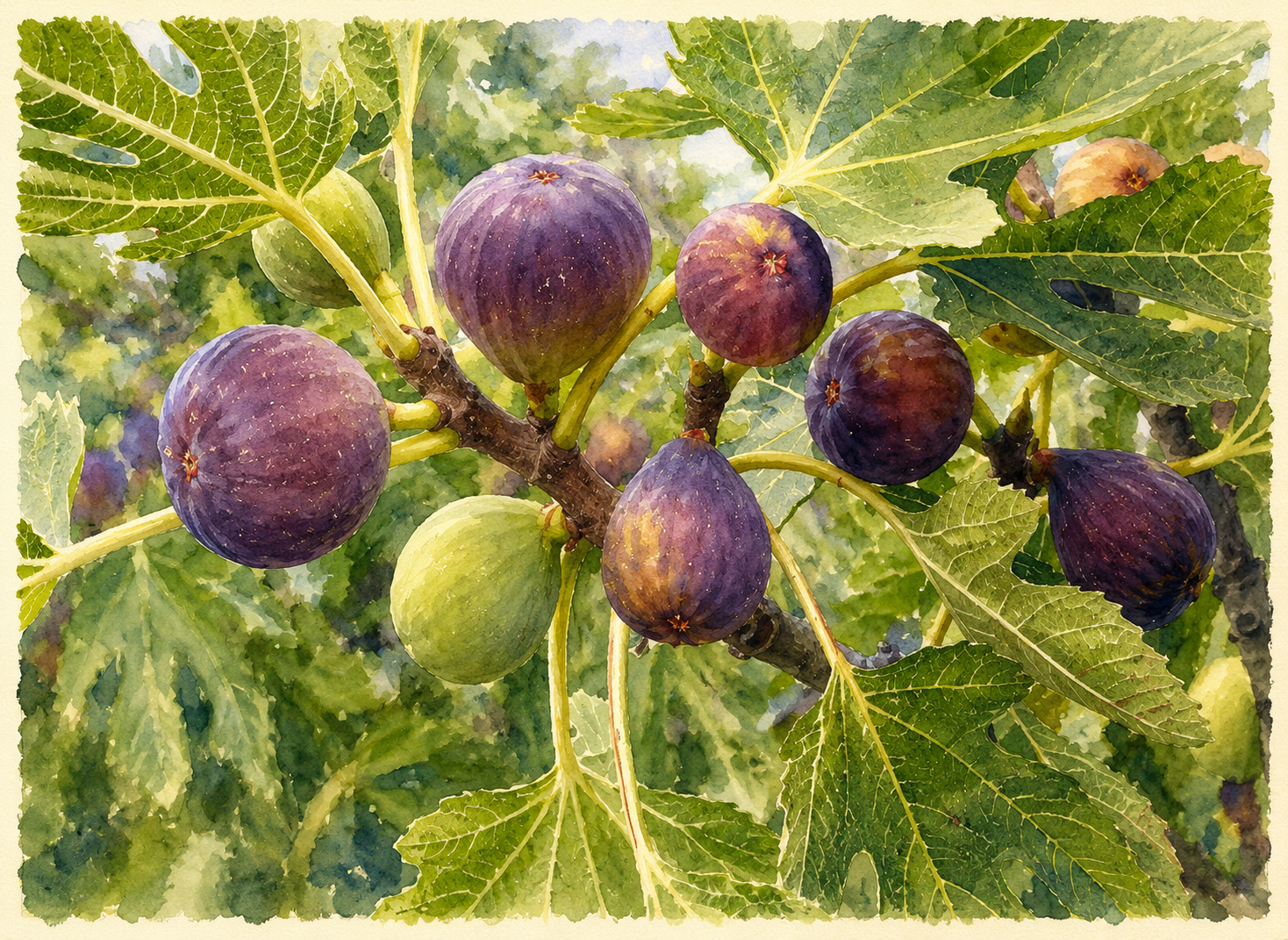
No other locality in Romania values the fig tree as much as Svinița. Natural conditions have transformed this tree into a true local emblem. Figs are used in:
– jam
– cakes
– artisanal syrups
– fig brandy
Every September, the Fig Festival takes place, an event dedicated to local gastronomy and traditions, with Serbian music, markets, and culinary demonstrations.
People and traditions
Svinița is a community with a mixed identity, where Romanian and Serbian are naturally heard on the street. Customs are an interesting combination of the two cultures. Christmas is celebrated twice: according to the new calendar and the old calendar. Traditional costume has been preserved: women wear fote (traditional skirts) and headscarves, men – white shirts and wide sashes. Dances have Balkan rhythms, and summer evenings are animated by accordion and drums. A spectacular custom is the "caroling on water": young people go by boat on the Danube, caroling with lit lanterns.
What you can see in Svinița and surroundings
– Ruins of the old village, sometimes visible at low Danube levels
– Serbian Church (1870), a monument of rustic-Byzantine architecture
– The Danube embankment, perfect for sunset walks
– Hiking trails to the viewpoints of the Gorge
– Boat tours to Cazanele Mici and Mari, Tabula Traiana, Mraconia Monastery – organized by locals
Local gastronomy
The cuisine of Svinița combines Oltenian, Serbian, and fishing influences. The most popular dishes are:
– fried fish in cornmeal
– carp brine
– baked figs with goat cheese
– desserts with dried figs
– fig brandy
Many households welcome tourists and offer traditional meals in their courtyards.
Life by the Danube
The Danube is the core of life in Svinița. Fishing remains a basic occupation, and local boats are always present in the port. Mornings are quiet, with fog over the water and the sound of oars floating over the village — a representative image for this place.
Tips for visitors
– Access: on DN57, from Drobeta-Turnu Severin or Orșova
– Accommodation: family guesthouses and traditional households
– Ideal period: May – October; September for the Fig Festival
– Recommended duration: 1–2 days
– Memorable photos: at sunrise, from the hills behind; at sunset, from the embankment
Curiosities
– The village has over 5,000 fig trees, being considered the fig capital of Romania
– It was relocated after 1968 due to the flooding of the old village site
– There is a unique Serbo-Romanian dialect, still spoken by some families
– Svinița appeared in the documentary "The Danube – River of Life" (TVR, 2019)
Svinița is a village that has learned to transform its isolation into authenticity. The community reinvents itself through rural tourism, local products, and the preservation of traditions. More and more visitors come here for tranquility, unique landscapes, and real experiences, not for commercial attractions. Svinița is a story about patience, continuity, and the beauty of simple things — a place where the Danube shapes not only the landscape but also the way of life.